Drain Cleaning Cedar Park TX
Cedar Park Center drain cleaning

Drain Cleaning in Cedar Park Center, Cedar Park, TX

Cedar Park Center is the city's entertainment engine — the H-E-B Center arena district, surrounded by restaurants, bars, hotels, and retail that all surge together on event nights. When the arena fills, every nearby kitchen fires at full capacity, every restroom in the district takes a beating, and the drain infrastructure gets the kind of stress test most commercial plumbing never sees. The district's buildings are newer than downtown's, but event-driven volume is its own special challenge: grease loads that spike in hours, restroom paper loads in the thousands of flushes, and parking-lot and plaza drainage handling crowds and weather at once. We clean, jet, and camera-inspect drains across the Cedar Park Center district with commercial-grade equipment and scheduling built around the event calendar.

512
Local area code
78613
Service ZIP code
Arena-district drain pros

About this area

Why drain cleaning in Cedar Park Center matters

Why we serve here

The Cedar Park Center district runs on peaks. A restaurant that serves steadily all week can double or triple its covers on an arena event night — and its drain lines feel every bit of it. Grease interceptors fill faster, kitchen lines carry surge volumes they were not quite designed for, and restrooms handle in a few hours what a normal business sees in a week. Between events, everything looks fine; the buildup is cumulative and invisible until the night it is not. Property managers here have learned that the event calendar is also a plumbing calendar: maintenance scheduled in the quiet weeks prevents the catastrophic backup during the sold-out show. We work the district regularly and plan around its rhythm.

Event-driven surges, commercial kitchens, and high-capacity restrooms define Cedar Park Center drain work

An event night concentrates a week of drain load into a few hours. Restaurant kitchens around the arena push fryer and prep grease through their lines at volumes that overwhelm marginal pipes; bars run glass washers and ice machines nonstop; hotel lobbies and restaurants see restroom traffic spike as crowds arrive and leave. The district's plumbing was designed for strong commercial use, but design assumptions meet reality at the grease interceptor: undersized or under-pumped interceptors let grease straight into the building drain, where it cools, hardens, and narrows the line a little more with every event. By mid-season, a kitchen line can be running at half diameter without anyone realizing — until the playoff game sells out.

The restrooms tell the other half of the story. Arena-adjacent venues — sports bars, restaurants, hotels — run high-capacity restroom groups that see paper and wipe loads far beyond normal commercial use on event nights. Older sections of the district's infrastructure, retrofitted as the area grew, have the usual commercial quirks: shared laterals between neighboring properties, tie-ins from remodels, and long runs under parking lots where clay soil has settled pipe into bellies. Add the plaza and parking-lot drainage that must handle both crowds and Central Texas downpours, and the district needs a drain partner who thinks in systems and calendars, not just service calls.
How we work locally

How drain cleaning is executed in Cedar Park Center

Event-season grease accumulation in kitchen lines

District restaurants live and die by event traffic, and their kitchens show it: fryer grease, prep waste, and dish-pit discharge at volumes that spike with the arena schedule. Grease that cools in the line hardens onto pipe walls — faster where older cast iron has scaled rough — and each event adds another layer. Between events the kitchen seems fine; the line is quietly losing diameter. Then comes the sold-out weekend, volume overwhelms the remaining capacity, and the kitchen backs up during the biggest revenue nights of the year.

Solution:We jet kitchen lines with commercial nozzles that cut grease back to the pipe wall and flush it fully out of the system — not pushed downstream to become someone else's problem. Camera verification confirms full diameter, and we measure the buildup rate against the event calendar to recommend a maintenance interval: typically quarterly during event season, timed for the quiet weeks. The kitchen enters every big night with a clean line instead of a gamble.

Restroom surges and shared commercial laterals

On event nights, district restrooms handle thousands of flushes in hours — paper and wipe loads that dwarf normal commercial use. Meanwhile the district's shared laterals, joined and extended as properties developed, carry multiple tenants' wastewater to the city main through runs under parking lots where clay soil has settled. A restriction downstream of the tie-in point affects every connected business, and no single tenant's service call can fix it.

Solution:We camera-trace commercial laterals with electronic locating, documenting shared sections, tie-ins, and any bellies or offsets under the parking lots. Then we clear the actual problem — jetting restroom groups and the shared lateral back to full diameter — and give property managers the footage to coordinate joint maintenance. When the district's plumbing is mapped, event nights stop being plumbing roulette.

Where we work

H-E-B Center arena districtEvent-night restaurant surgeHotel & hospitality drainsShared commercial lateralsGrease interceptor linesPlaza & parking drainage

Where we work

Cedar Park Center, Cedar Park

Latitude: 30.5445

Extract Directions

Case files

Illustrative scenario: 1

Arena-district restaurant — kitchen failure on a sold-out night

Challenge

A restaurant two blocks from the arena had its worst night of the year during a sold-out concert: the kitchen line backed up an hour before doors, the dish pit flooded, and the kitchen limped through the night at half capacity while turning away the biggest crowd of the season. It was the third backup that event season, each "fixed" with a snaking that bought a few weeks.

Execution

Our camera showed a kitchen line narrowed to half its diameter by layered event-season grease bonded to scaled older pipe, with a belly under the parking lot where wastewater pooled. Every snaking had punched through the soft center while the walls kept closing in — and each event added another layer of grease.

Impact

We jetted the line back to the pipe wall, flushed the grease completely out to the main, and camera-verified full diameter. Then we put the kitchen on a quarterly jetting schedule timed to the quiet weeks between event clusters. The rest of the season ran without a single backup — the restaurant finally made its event-night revenue instead of mopping through it.

Illustrative scenario: 2

Retail and hospitality block — shared lateral, multiple tenants down

Challenge

Three adjacent businesses — a sports bar, a quick-service restaurant, and a hotel — started having restroom and floor-drain issues within the same week. Each had been serviced separately before, and each fix had failed within days. The property manager suspected a shared problem but had no documentation of the underground layout.

Execution

We camera-traced all three laterals and found them joining into a single aging line with offset joints, heavy grease loading from the restaurant tie-ins, and a belly where the parking-lot trench had settled. The blockage sat downstream of every tie-in — which is why each tenant suffered and no individual fix could hold.

Impact

Clearing the shared lateral restored all three properties, and the camera footage gave the manager a documented system map — the basis for a coordinated maintenance plan split fairly among tenants instead of argued over. Event nights have run clean since, and the manager now schedules district lateral maintenance the way they schedule everything else: on a calendar.

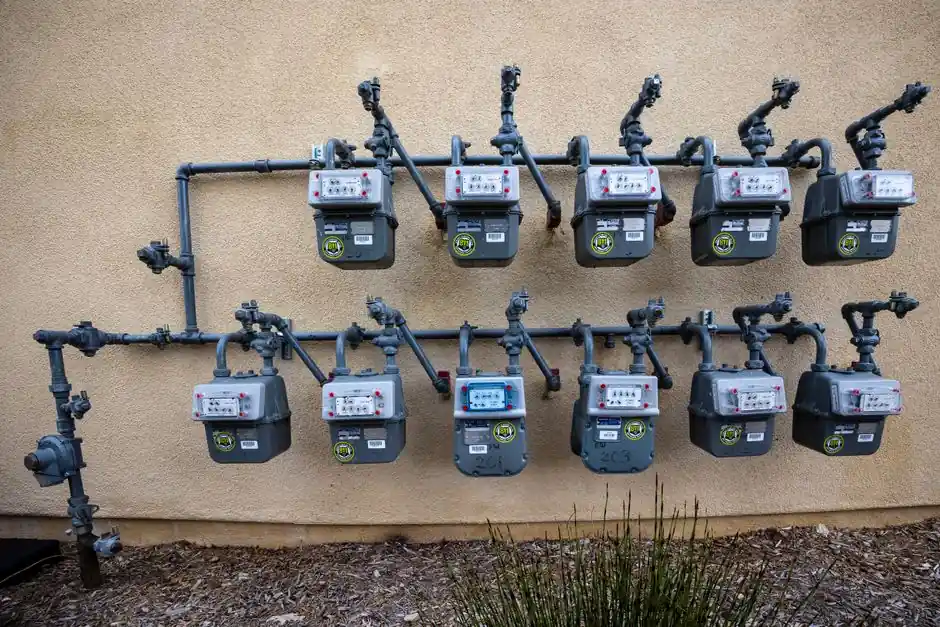
Exposed commercial drain cleanout and grease interceptor plumbing behind a retail building on Cedar Park Center in Cedar Park, TX
Our track record
Our track record

Drain work the Cedar Park Center way

What careful drain work looks like in an entertainment district

Working the arena district means the event calendar rules. We schedule maintenance in the quiet weeks, keep emergency response ready for event nights, and stage our work to avoid disrupting crowds, valet operations, and neighboring businesses. Communication is built for managers who decide fast: camera footage, plain findings, and clear options. Every visit ends with written documentation — because in a district of shared infrastructure, the records matter as much as the work.

Every
Every visit documented with written findings and camera footage

Local questions

Our kitchen only struggles on event nights. Why?

Because event nights concentrate a week of grease and volume into a few hours, overwhelming a line that has been quietly losing diameter all season. Each event layers more grease onto the pipe walls; between events the kitchen seems fine. The fix is jetting the line back to full diameter and then maintaining it on the event calendar — quarterly during event season, timed for quiet weeks — so the line enters every big night clean instead of marginal.

Do you schedule around arena events?

Absolutely — the event calendar drives our scheduling here. Preventive maintenance goes in the quiet weeks between event clusters; emergency response stays ready for event nights, when a backup costs the most. Tell us your peak nights and we will plan around them. The goal is simple: your plumbing should never be the reason an event night goes wrong.

What is a grease interceptor, and does mine need attention?

A grease interceptor (or trap) sits on the kitchen drain line and catches fats, oils, and food solids before they enter the building plumbing. It only works if it is pumped on schedule — an overflowing interceptor sends grease straight into the drain, where it hardens and chokes the line. If your kitchen backs up despite a "working" interceptor, the interceptor is the first suspect: check the pumping schedule, then let us camera-inspect the line downstream for the grease that already got through.

Multiple neighboring businesses are having issues. Is it connected?

Very likely. District properties often share laterals that were joined as the area developed, and a restriction downstream of the tie-in point affects every connected tenant. Individual service calls cannot fix a shared-line problem — it needs camera-tracing of all the laterals, documentation of the shared section, and a coordinated cleaning. We do exactly that, and the footage ends the debate about whose problem it is.

How often should district commercial drains be maintained?

It follows the event calendar. High-volume kitchens near the arena typically need jetting quarterly during event season; restroom groups in event-night venues benefit from inspection and cleaning on a similar rhythm; shared laterals deserve at least an annual camera check. The honest interval comes from measuring your buildup rate on camera — not from a generic schedule. Preventive maintenance in the quiet weeks always costs less than an emergency during a sold-out show.

Professional standards

How we protect your property

Drain work in an entertainment district is event-driven, full stop. Volume spikes with the calendar, infrastructure is shared between neighbors, and a failure during a sold-out night costs more than plumbing — it costs reputation. We bring commercial-grade equipment, calendar-based maintenance planning, and documentation that lets managers decide fast and correctly.

Event-calendar planning Maintenance in quiet weeks; emergency-ready on big nights
Commercial-grade equipment Jetters & cameras sized for district-scale loads
Written documentation Findings, footage & scope for managers and owners
When To Call

Signs you need drain cleaning in Cedar Park Center

In the arena district, drain problems follow the event calendar. Watch for these warnings before a big night.

1. Kitchen slows down as event season builds

If the kitchen drains fine in the off-season but struggles more with each event week, grease is layering onto the pipe walls. The line is losing diameter event by event — jetting restores it before the sold-out weekend.

2. Restrooms struggling on busy nights

Weak flushes, slow drains, or overflows that appear only during peak traffic mean the restroom groups or their shared lateral cannot handle surge volume. Caught early it is maintenance; ignored it is a closure on the biggest night.

3. Floor drains backing up near kitchens or bars

Water or residue coming up through a floor drain means the downstream line is restricted — a health-code red flag in any food-service space. It needs prompt professional cleaning, not a mop and hope.

4. Grease interceptor overflowing or neglected

An interceptor that has not been pumped on schedule sends grease straight into the building drain. If pumping is overdue, assume the downstream line needs inspection — the grease that got through is already hardening.

5. Neighboring businesses backing up together

When adjacent properties fail in the same week, the blockage is in a shared lateral downstream of all of them. Coordinated camera-tracing and cleaning is the fix — not another round of individual service calls.

Local Problem Patterns

Common drain cleaning problems in Cedar Park Center

The arena district's event-driven economy creates drain problems at a scale most commercial areas never see. These are the patterns we work most.

Event-season grease accumulation

Why it happens here

Arena-traffic kitchens layer fryer grease and prep waste onto pipe walls event after event. The line looks fine between events while quietly losing diameter — until the sold-out weekend overwhelms what is left.

Our approach

We jet kitchen lines back to the pipe wall with commercial nozzles, flush grease fully out of the system, camera-verify full diameter, and set a maintenance interval on the event calendar — quiet weeks, not big nights.

Event-night restroom overload

Why it happens here

Thousands of flushes in hours: paper and wipe loads that dwarf normal commercial use. High-capacity restroom groups in bars, restaurants, and hotels feel it first when the shared lateral is even slightly restricted.

Our approach

We clear restroom groups and their laterals with jetting sized for the load, camera-check for underlying restrictions, and schedule maintenance around the event calendar so peak nights run clean.

Shared laterals under parking lots

Why it happens here

District properties share laterals joined as the area developed, running under parking lots where clay soil settles pipe into bellies. A downstream restriction affects every connected tenant — and no single-tenant fix holds.

Our approach

We camera-trace and locate every lateral, document shared sections on video, clean the actual problem, and help managers set up joint maintenance — turning a recurring dispute into a planned routine.

Neglected grease interceptors

Why it happens here

Interceptors that miss their pumping schedule send grease straight into building drains, where it hardens and chokes lines fast. The interceptor gets blamed for "not working" when the real failure was maintenance.

Our approach

We inspect downstream lines for the grease that got through, jet them clean, and help set a pumping schedule matched to the kitchen's event-season volume — so the interceptor actually protects the plumbing.

What to Expect

What to expect when you call in Cedar Park Center

Serving Cedar Park Center and nearby Cedar Park neighborhoods

Call (512) 985-2347 to schedule commercial service

1

A straightforward phone call

When you call (512) 985-2347, tell us about the property and the event calendar — restaurant, bar, hotel, or retail, and when your peak nights fall. We ask about past drain work, interceptor pumping schedules, and whether neighbors are affected, so the technician arrives with commercial equipment and a plan that respects your calendar.

2

A diagnostic-first visit

We camera-inspect before recommending anything beyond immediate relief. In the district that means tracing laterals — including shared sections — measuring grease buildup, and documenting it all on video, because the fix for event-driven grease differs from the fix for a structural defect.

3

Clear findings in writing

After the work, we camera-verify and put findings, footage, and a calendar-based maintenance recommendation in writing. Managers get documentation they can act on and share with owners; the next event season gets planned instead of survived.

Cost Factors

What affects drain cleaning cost in Cedar Park Center

Every district drain job is priced on its own conditions — event-season volume, grease load, and shared infrastructure all shape the scope. These are the factors that matter most.

Scheduling in Cedar Park Center:We schedule around the arena calendar — preventive work in quiet weeks, emergency response ready on event nights — and stage to avoid disrupting crowds and neighboring businesses.

1

Event-season volume and grease load

A high-volume arena-adjacent kitchen builds grease far faster than a standard restaurant. Line diameter, length, and existing buildup determine the jetting the job needs.

2

Shared vs. private infrastructure

A private branch is one scope; a shared lateral under a parking lot serving multiple tenants needs coordination, longer runs, and camera-tracing — all of which shape the work.

3

Interceptor condition

A maintained interceptor protects the line; a neglected one means the downstream pipe carries the grease load too. The pumping schedule is part of the scope conversation.

Year-Round Coverage

How seasons affect drains in Cedar Park Center

In the arena district, the "seasons" are event seasons — but Central Texas weather still writes its own chapter. Here is how the year plays out.

Spring

Spring brings the event calendar back to life and the first big storms. Parking-lot drains clogged with off-season debris overflow, and kitchen lines that coasted through winter face their first surge weeks. It is the right time for pre-season camera checks and jetting — clean lines entering event season, not marginal ones.

Tip

Walk parking and plaza drains after the first big spring storm; clear any that pond water before event crowds arrive.

Summer

Summer is peak everything: peak events, peak kitchen volume, peak restroom traffic, peak heat keeping grease fluid until it reaches the cool underground lines where it hardens. Mid-summer preventive jetting is the highest-ROI service a district kitchen can buy.

Tip

Confirm grease interceptors are on their summer pumping schedule — event-season volume overwhelms a neglected interceptor fast.

Fall

Fall brings the busiest event stretch and the holiday dining surge together. Leaves pack plaza and parking drains; kitchen lines carry their heaviest grease load of the year. Preventive work belongs in the early-fall quiet window, not during the December rush.

Tip

Clear plaza, parking, and gutter drains of leaves in late fall, and get kitchen lines jetted before the holiday event crush.

Winter

Winter is the district's relative breather — fewer events, lighter loads — which makes it the ideal season for major work: lateral renewals, interceptor upgrades, and the camera surveys that plan next year's maintenance calendar. Brief hard freezes still threaten exposed piping, so protect cleanouts and exterior runs.

Tip

Use the winter breather for camera surveys and planned upgrades; know where every cleanout is before the first freeze warning.

Hiring Smart

Questions to ask before hiring drain cleaning in Cedar Park Center

Hiring commercial drain work in an entertainment district takes a few extra questions. The answers separate district-ready vendors from the rest.

  1. 1

    "Do you plan maintenance around our event calendar?"

    Why it matters

    The right vendor thinks in event seasons: preventive work in quiet weeks, emergency readiness on big nights, and intervals measured against your actual volume. A generic schedule ignores the district's entire business model.

  2. 2

    "How do you handle shared laterals and multiple tenants?"

    Why it matters

    Shared infrastructure is the district norm. Ask how the vendor documents shared sections, coordinates with neighboring properties, and structures joint maintenance — because the fix routinely involves more than one party.

  3. 3

    "What is your approach to grease — the interceptor and the line?"

    Why it matters

    Clearing today's clog without addressing grease management guarantees a repeat. Look for jetting that removes grease to the pipe wall, camera verification, interceptor pumping guidance, and a volume-based maintenance interval.

  4. 4

    "Can you respond during an event night emergency?"

    Why it matters

    A backup during a sold-out show cannot wait for morning. Ask about emergency response capability and how the vendor works to restore function fast during service — then returns for the full cleaning at a better hour.

  5. 5

    "What will I receive in writing?"

    Why it matters

    Written findings, camera video, scope of work, and photos — shared with managers and owners. In a district of shared lines, documentation turns disputes into plans.

Knowing the Area

Landmarks and points of interest in Cedar Park Center

The arena district's landmarks shape our service routes. From the H-E-B Center to the surrounding commercial blocks, here is how we navigate.

Landmarks

  • H-E-B Center at Cedar Park

    The arena anchoring the district — the reason the event calendar drives everything, including the plumbing maintenance schedule.

  • Arena-district restaurants

    The eateries feeding event crowds — the highest event-driven grease load in Cedar Park, and the reason our jetting equipment earns its keep here.

  • Hotels and hospitality

    The hotels serving arena visitors — high-capacity restrooms and kitchens running at event-night intensity.

Commercial Districts

  • Sports bars and venues

    The nightlife around the arena — restroom loads that spike on game and concert nights to levels residential plumbing never sees.

  • Retail and shopping centers

    The district's retail blocks — lighter drain loads individually, but shared laterals tie their fate to the restaurants next door.

Transport & Access

  • US-183A toll road

    The tollway serving the district — our fastest route in when an event-night emergency cannot wait.

  • RM 1431 (Whitestone Blvd)

    The east-west artery south of the district — the main approach for trucks carrying commercial jetting equipment.

Service Area

Drain cleaning coverage across Cedar Park Center & Williamson County

Routine appointments for homes and businesses across Williamson County, centered on the ZIP code below.

78613
!

Reliable drain cleaning in Cedar Park Center

For drain cleaning that runs on the event calendar — commercial-grade jetting, camera-mapped shared laterals, and maintenance in the quiet weeks — call (512) 985-2347.

Request service
Call Now: (512) 985-2347